Uncategorized
Wild Mushroom Safety in Canada: Dangerous Lookalikes
Oct
Wild Mushroom Safety in Canada: Dangerous Lookalikes You Must Know
Foraging for wild mushrooms in Canada offers a rewarding way to connect with nature, but it carries real risk. Wild mushroom safety in Canada begins with one rule: never eat a mushroom unless a qualified expert has identified it in person. Many of the most dangerous species in Canadian forests closely resemble edible varieties, and some can cause organ failure within days. This guide explains the most important dangerous lookalikes, how to reduce your risk, and where wild mushroom safety overlaps with a very different conversation—the one around magic mushroom Canada products and psilocybin.
Whether you forage for the kitchen, study fungi as a hobby, or simply want to understand the risks before you touch anything in the woods, the information below matters. It also helps you tell the difference between regulated or grey-market magic mushroom dispensary offerings and the genuinely hazardous wild species growing in your backyard.
Why Wild Mushroom Safety in Canada Matters
Canada is home to thousands of fungal species, and a small number of them are deadly. Poisonings often happen because a forager mistakes a toxic species for a familiar edible one. The consequences range from stomach upset to liver and kidney damage, and in rare cases, death.
The risk is higher than many people assume. Emergency departments and poison control centres across the country handle mushroom exposure calls every year, especially in late summer and autumn when fruiting bodies appear. Children and pets are particularly vulnerable because they explore the ground and put things in their mouths.
The Core Rule: Positive Identification or Nothing
Positive identification means confirming every feature of a mushroom—cap, gills or pores, stem, ring, base, spore colour, habitat, and season—against a reliable source. It also means being honest about what you don’t know. If you cannot confirm a species with certainty, treat it as inedible.
Online photos are useful for learning but never sufficient for a meal. A single angle hides critical details. Two mushrooms that look identical in a photograph can belong to different species with completely different toxicity profiles.
Why Photos and Apps Fail
Identification apps and social media groups have become popular shortcuts, and they are not reliable enough to bet your health on. Image-matching tools can return close visual matches that are wrong on the features that matter. Regional variation, lighting, and camera colour all distort the comparison.
A human expert who handles the specimen, checks the spore print, and knows local species remains the gold standard. Treat apps as a starting point for curiosity, not a verdict.
The Most Dangerous Lookalikes in Canada
Some of the most serious mistakes involve a handful of pairs. Learning these is one of the most practical steps you can take for wild mushroom safety in Canada.
Death Cap and Destroying Angel vs. Edible Amanitas
The death cap (Amanita phalloides) and destroying angel species are among the most lethal mushrooms in the world. They contain amatoxins, which attack the liver and can cause death even when a person feels better after an initial phase of illness. Early symptoms can be delayed for hours, which makes the danger easy to underestimate.
These species can be confused with edible Amanita varieties and with some puffballs in their early stages. Key warning signs include a sac-like cup at the base of the stem, a ring on the stem, and whitish gills. Any mushroom with these features deserves extreme caution.
False Morels vs. True Morels
True morels are prized edibles with a pitted, honeycomb-like cap attached directly to the stem. False morels (Gyromitra species) have a brain-like, lobed, or wavy cap that is often partially free from the stem, and they contain gyromitrin, a toxin that converts to a compound related to rocket fuel in the body. They are not safe to eat.
The distinction matters because false morels appear in spring, the same season as true morels. Cut a suspected morel in half lengthwise: a true morel is hollow from stem to tip, while false morels show chambers, cottony tissue, or a solid interior.
Jack-o’-Lantern vs. Chanterelle
Chanterelles are golden, ridged, and prized by chefs. Jack-o’-lantern mushrooms (Omphalotus species) are also orange and grow in clusters, often on wood. True chanterelles have false gills—ridges that run down the stem and cannot be peeled away cleanly—and they grow from soil, not decaying wood.
Jack-o’-lanterns are not usually fatal, but they cause severe gastrointestinal distress. If a golden mushroom is growing in a tight cluster on a stump, pause and check before you cook.
Galerina vs. Edible Brown Mushrooms
Small brown mushrooms are the hardest group for beginners, and this is where some of the most tragic errors occur. Galerina marginata contains the same amatoxins as the death cap. It grows on rotting wood and can be mistaken for edible species such as the honey mushroom or certain Psilocybe species. For anyone researching Canada shrooms store products, the wild-cultivated distinction is essential—wild harvesting is not a safe shortcut for anything.
The Raw Truth About “Magic Mushroom” Edibles
Many people searching for buy shrooms in canada information are not foragers at all. They are curious about psilocybin mushrooms. It is worth separating these worlds clearly, because they carry different risks.
Psilocybin mushrooms are not the same as the deadly species described above, but that does not make wild harvesting of them safe. Several Psilocybe and related species can be confused with Galerina and other toxic brown mushrooms. Inexperienced pickers have been harmed by this overlap.
What a Responsible Dispensary Offers
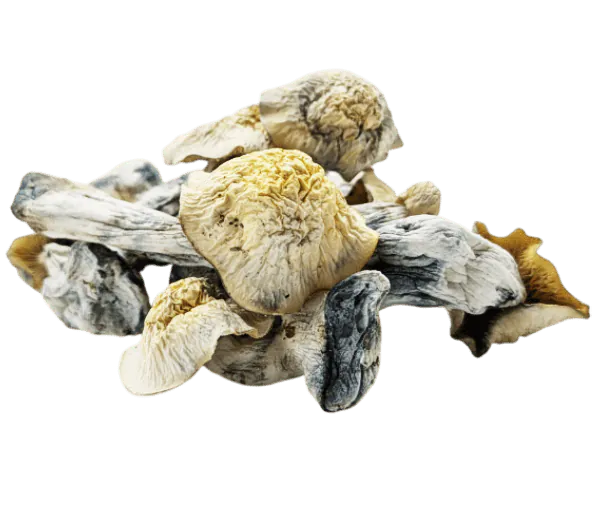
A magic mushroom dispensary in Canada usually sells dried or cultivated products rather than wild-harvested ones. Responsible sellers cultivate their own stock, label potency, and describe the species. This reduces—but does not eliminate—the risk of misidentification because the hazard comes from wild lookalikes.
If you explore psilocybin products, look for clear species information, cultivation practices, and transparent safety guidance. The Canada Magic Mushroom resource hub is one place to review how these products are described and used. It is a far safer framework than picking brown mushrooms from a forest and hoping for the best.
Legal Context in Canada
Do not assume psilocybin products are legally available to everyone. Possession and sale of psilocybin remain controlled under federal law, with narrow exceptions such as specific medical or clinical pathways. Dispensaries have operated in a grey zone in some cities, but enforcement and policy vary. For accurate, current legal information, consult Health Canada or a qualified legal professional.
Practical Steps for Safer Foraging
Good habits reduce risk whether you are a beginner or experienced. These steps apply to everyone who spends time in Canadian woods.
- Go with an expert. Learn in person from a local mycological society or a trusted mentor.
- Identify before you touch. Check the base, stem, gills, and spore print, not just the cap.
- Use a basket, not a bag. Keep species separated and label anything you collect for later study.
- Cook only verified edibles. Never taste a mushroom raw to test it.
- Keep children and pets close. Remove and dispose of anything suspicious in your yard.
- Store a photo of the site. If a mistake happens, knowing exactly where the mushroom grew helps medical staff.
Learn more through the Canada Magic Mushroom learning section for general context, but remember that foraging knowledge still requires hands-on confirmation.
If Someone Eats a Suspect Mushroom
Act quickly. Call your provincial poison control centre or emergency services. Bring any remaining mushroom, the container, or a photo of the location. Do not wait for symptoms—with amatoxin poisoning, early treatment matters and symptoms can lag behind the actual damage.
Wild Mushroom Safety in Canada: FAQ
How dangerous are wild mushrooms in Canada?
Most are harmless, but a small number are deadly. The death cap and destroying angel contain amatoxins that can cause liver failure, and they have been documented in parts of British Columbia and elsewhere. The safest approach is to never eat a mushroom you cannot positively identify.
Can I confuse psilocybin mushrooms with toxic species?
Yes, this is a real risk. Galerina marginata and other deadly brown mushrooms can resemble Psilocybe species. This is why responsible magic mushroom dispensary buyers rely on cultivated products rather than wild picks.
What is the most common serious mistake foragers make?
Mistaking a toxic species for a familiar edible, such as confusing false morels with true morels or jack-o’-lanterns with chanterelles. Overconfidence and reliance on apps are common contributing factors.
Are all brown mushrooms unsafe?
No, but brown mushrooms are the hardest group for beginners. Some edible species are brown, and so are some of the most dangerous ones. Learn the warnings and check every feature carefully.
Is buying shrooms in Canada safer than foraging?
You should not treat commercial products as automatically risk-free. However, cultivated products from a transparent Canada shrooms store avoid the misidentification risk of wild picking, provided you follow legal and safety guidance.
Where can I find a local expert?
Provincial and regional mycological societies run identification sessions, forays, and workshops. Local universities and botanical gardens often host experts too. The Canada Magic Mushroom blog provides additional educational reading.
Key Takeaways
Wild mushroom safety in Canada comes down to positive identification, expert guidance, and honest caution. Learn the major lookalikes, respect the deadly Amanita and Galerina species, and avoid wild picking of anything you intend to consume without expert confirmation. If you are exploring psilocybin topics, approach magic mushroom Canada products through transparent, informed sources rather than a forest guess.
